

DESCRIPTION
Fennel has feathery leaves, yellow flowers and has an Anise seed like flavour. It is a herb that is related to carrot and Parsley. Fennel is native to Southern Europe however flourishes in the wild in many places like Australia, and throughout the USA which is the reason it is now recognised as a widespread weed in some countries.
There are two types of Fennel; Common Fennel and Florence Fennel. Common Fennel leaves are used in cooking. Some varieties of Common Fennel are used for decorative purposes. Florence Fennel is smaller than Common Fennel and is eaten cooked or raw. Its leaves have a sweet Anise seed flavour and the bulb is also edible. As for its seeds, pollen and the oils extracted from it, they can all be used as well – not just in cooking but also in cosmetics.
COMPLIMENTARY FLAVOURS
Some herbs and spices that go with Fennel include; Basil, Dill, Star anise, Coriander, Parsley and Ginger. Other ingredients that go well with Fennel include; tomato, carrot, lemon, strawberries, grape, pomegranate, guava, and grapefruit.
WHAT CAN YOU USE IN STEAD OF FENNEL
Anise seed can be a substitute when a smaller amount is used than the recipe requires. I really like using Caraway seeds as a substitute as well. Dill and Parsley can be used too.
WHAT TYPES OF FOOD IT’S USED IN
The leaves not only bring another flavour layer to dishes; they also look so pretty on dishes like salads. The leaves work well with fish whether it be used in a spice rub, sauce or just put on top for decoration. The seeds work really well in Italian sausages, Indian dishes and Middle Eastern cooking. The pollen tastes different than the other parts of Fennel, with a sweet, muted Anise seed flavour with notes of citrus. This means Fennel pollen finds its way into a whole heap of other dishes such as breads and other baking recipes, on top of roast veggies and pork as well.
Fennel appears in many spice mixes such as Garam Masala which is great in many dished such curries, as well as Chinese 5 Spice which is a good addition in things like marinades. It also enhances soups, meals that feature fatty fishes, chicken and other savoury dishes.
STORAGE
There are so many ways to store fresh Fennel and you can even dry it out. When choosing fresh Fennel, it should have bright green leaves, have crisp stalks and be heavy. It should not however be moist, have brown areas or have cracks on it. Be careful when choosing, cutting and storing Fennel as if the bulb is damaged, it becomes easier to rot.
If you want to keep it simple, store Fennel in your vegetable crisper. Use within a few days of purchase before it loses its flavour.
If you want it for a longer period of time, you have lots of options. The easiest ways are to store bulbs and stalks in a bag, store leaves in water or dry out the seeds. Please read on for how to do this successfully.
STORING STALKS AND BULBS
Stalks and bulbs can be stored for up to 10 days. To make them last that duration, cut the stalks and bulbs – being mindful not to bruise the bulb – and store in a paper or plastic bag. Remember to keep the Fennel bulbs and stalks nice and dry and therefor don’t wash it before storage. Roll the bags up starting from the bottom where the Fennel is and don’t seal the bag.
STORING LEAVES
There is a way to store Fennel leaves for 5 days. Store the leaves in glass containers full of water with lids.
DRYING OUT THE SEEDS
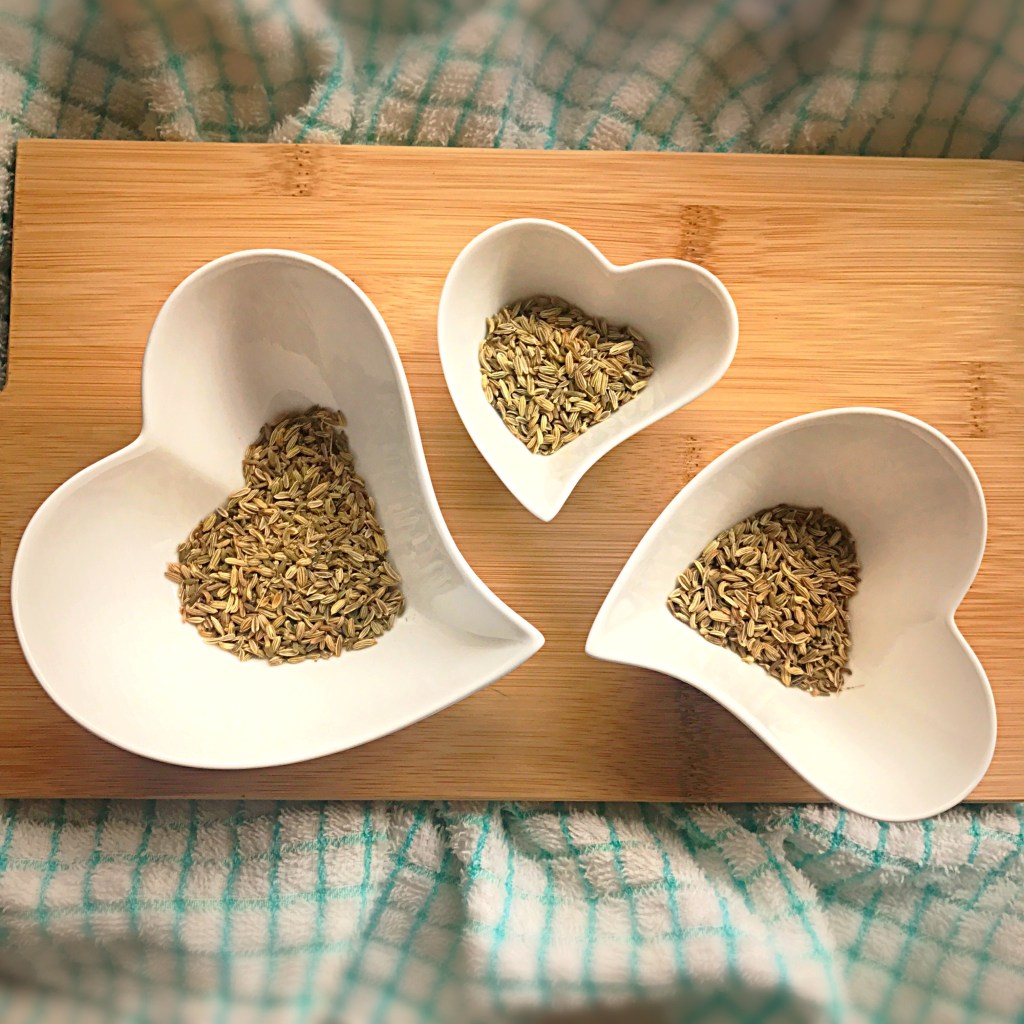
As for dried Fennel seeds, it can be easily done and gives you six months of flavourful fennel seeds. Gently cut the seed heads off. Place the heads into a paper bag. Roughly shake the bag for 1 minute, then remove the seed heads so you are left with a bag of Fennel seeds. Place a sheet of baking paper on an oven safe try and spread out the seeds over the paper. Bake the seeds on low, (as low as you can), for around 8 minutes. Keep an eye on them so they don’t burn. Once dried, store in an air tight container keeping them away from heat and moisture.
 Savy’s Kitchen
2 thoughts on “FENNEL”