

If you haven’t gathered from my blog already, I love food, love cooking and my body loves me for being gluten free. When I talk about my allergies, it can be confusing to others. In my personal experience, a lot of people I speak to struggle with the idea of managing an allergy through diet as apposed to having a cure using medications.
At the end of the day, I am responsible for what I eat and I’m responsible for making sure I take precautions so I don’t have an allergic reaction and make myself sick. I now feel comfortable when I go out to eat. I have even written two posts that you can check out as well if you like called 10 questions to ask while eating out and 10 restaurant foods you thought were gluten free (but may not be).
I now also find it much easier to talk to friends and family about my allergies when they invite me to their house for dinner. If you have allergies and are not sure how to go about telling your friends and family; don’t stress. Here is a list of 3 things I do that you can do as well.
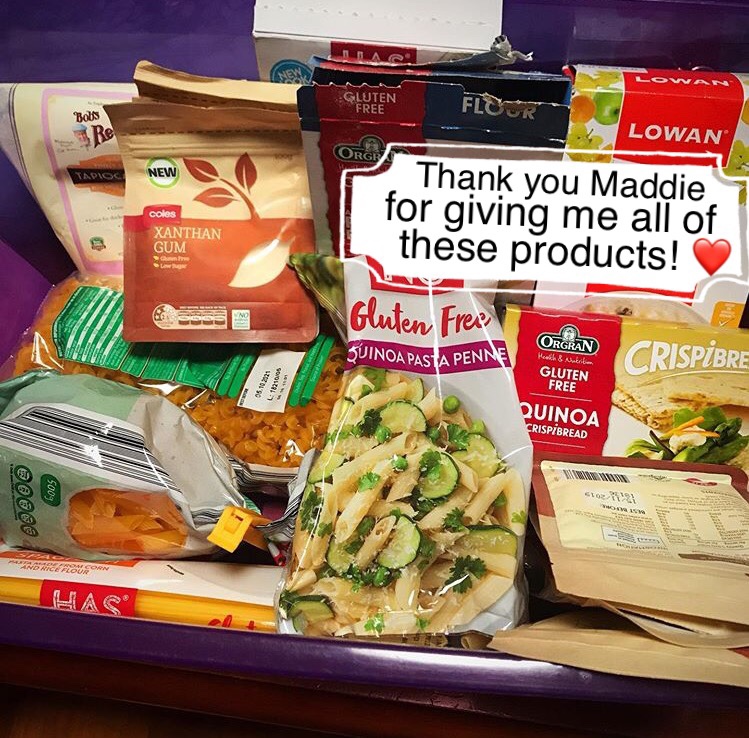
1) EXPLAIN YOUR DIAGNOSIS.
No matter what level of sensitivity you have, from a mild gluten sensitivity to being a Coeliac, your reaction to gluten is not going to be a fun time. Therefor, it’s important to be clear in the information you give as well as make sure what you’re saying is understood and that you are taken seriously. Respond to questions with as much information as necessary to get the point across. You are having this chat to make everyone’s lives a bit easier.
REMEMBER; this conversation is in the best interest of your health.
2)TELL THEM WHAT YOU CAN EAT.
You’ve now announced you have a dietary requirement and you need to give further awareness on the situation. For some people, this can be a lot to process all at once; especially when your requirement is pitched as “what I can’t eat”. Have a conversation about what you can eat instead.
Keep it really simple. Stick to listing only a couple of naturally gluten free items for example; rice, vegetables, non marinated meat and baked fish without batter… These should be things people can easily remember. If this is a conversation with people who often cook for you, it’s so important that you don’t overwhelm them; so they don’t automatically go “this is to hard”. This is an outcome that may happen, so you have to be prepared for that too. There are a few ways you can help your situation as well…
…Check to see what allergy guidelines food production companies have to follow in your area. In Australia, allergy information has to be declared on packaging. To get the gluten free label, the products here have to pass laboratory testing. A product can’t just claim to be gluten free. This makes it sooooooo easy for me when cooking for myself or when other people are cooking for me. I simply let them know where to look on food labels for the allergy notice so they will know if it’s gluten free or not. Also I can just as easily check the labels if I’m unsure.
REMEMBER; you may still want people to cook for you. People will be more accepting of your request to cater to your needs if you present them with clear information, in hand with an easy solution that won’t inconvenience them.
3)CHECK THEY ARE COMFORTABLE COOKING FOR YOU.
So you have explained your situation and they are going to be cooking a meal for you. I treat this situation the same as when I go to a restaurant. These are the questions you can ask yourself; Are you feeling confident the people you have told understand your allergies? Do they feel confident cooking for you? Are your allergies being taken seriously? Do you feel safe eating the food they cook? Do they feel like they can cook for you without putting you at risk? If you said no to any of these questions, you may be safest to not eat their food.
If you aren’t feeling confident that you will be safe, or if they aren’t comfortable cooking for you, it’s all good. They are allowed to have the feelings they have in regards to your allergies. You have lots of options too. When faced with this situation, I either; offer to bring my own food or a dish to share, see them outside of main meal times, eat beforehand or invite them over for meals instead. There are ways to keep you safe without coming across as rude and also takes any pressure off of the other person as well.
I always have a snack bag with me wherever I go. When I’ve traveled for work conferences in the past, I’ve literally brought a long life, snack filled suitcase with gluten free cup noodles, chips, dried fruit etc and doing so has paid off on many occasions.
If they are on the fence and not sure if they can accomodate your allergies or not, what can you do to support them in meeting your requirements? The more solutions you offer, the more comfortable they may feel.
REMEMBER; you understand what’s best for you. There are options to make everyone feel confident with addressing your allergies.
TAKE AWAY POINTS…
1)Explain your situation with the intent to inform those around you, keeping in mind your own safety.
2)Inform, without overwhelming, focusing on the tasty food you can eat. Give support by explaining where the allergy information is so they can check to see if an item is gluten free or not.
3)Make sure they are confident in catering to your needs and that you are confident your needs have been understood.
I hope these 3 things have helped. Please feel free to check out my Quick list: These may not be gluten free and 10 ways to share a kitchen when gluten free if you haven’t already. Thank you for reading this post today, I know it was a long one.
 Savy’s Kitchen