

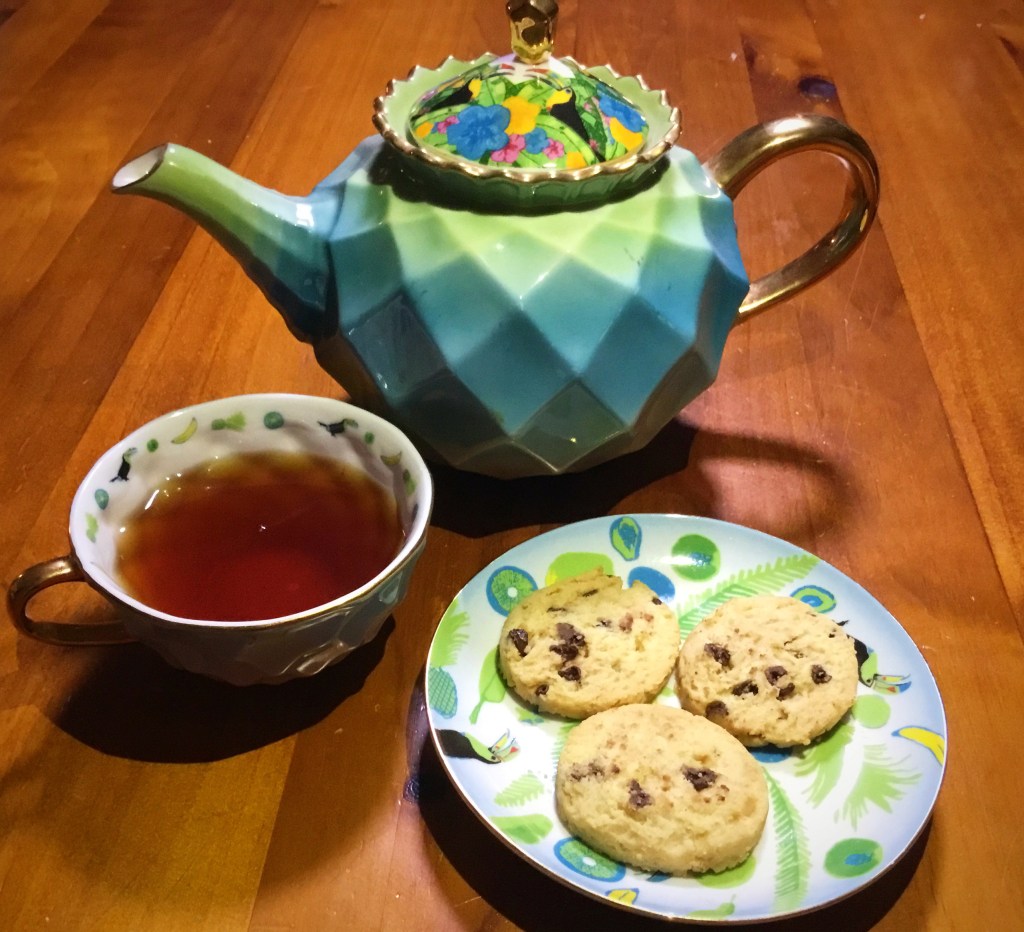
Baking in general is one of those precise forms of cooking when it comes to ingredients. I have learnt so much over the years. My biggest challenge so far was perfecting gluten free cookies.
My first couple of goes at baking gluten free cookies back in 2014 were very interesting. I learnt very quickly that you can’t just replace wheat flour with a gluten free flour, follow the same recipe process and get great cookies. My first two attempts of cookies turned out more like soft cakes. My next couple were a little dry. After years of making different types of gluten free cookies, I’m now in a place of being able to make great cookies.
Below are 7 frequently asked questions and answers in regards to baking gluten free cookies;
1) DOES GLUTEN FREE FLOUR HAVE A BINDING AGENT?
Always double check as some don’t. Without gluten, gluten free flours still require a binding agent in order to give the cookies structure and stay together. Some of the options you can purchase and add in include; Xanthan gum, flax or guar gum.
2) HOW IMPORTANT ARE EGGS IN COOKIE DOUGH?
When choosing which ingredients to put into your cookies, you have to make sure that you have included enough ingredients; which provide sufficient binding properties. For many cookie recipes, eggs are relied on as a binder.
Eggs should be added in when they are at room temperature. They are a very quick way to fix dry cookie dough as they add moisture. The protein in the egg whites help improve the structure of the dough; for that reason I often just use egg whites in cookies that are meant to turn out firmer. As for using egg yolks, I find beating them in after creaming the sugar and butter (fat element) is a great preventative of the sugar and butter separating.
3) THE DOUGH IS TOO STICKY. WHAT DO I DO?
Something to be aware of is gluten free baking mixtures and batters are, more often than not, thinner or more wet than recipes that include gluten; but the dough shouldn’t be sticky. Baking is one of those types of cooking that doesn’t respond well to homey measures. I find the easiest solution is to put the dough into the fridge before shaping and baking it. This helps it to firm up and avoids making the dough too dense; which is what can happen if you add too much flour as an attempt to thicken it. So I would recommend to stick to the safe method of putting it into the fridge before baking it.
It’s common for people to add a bit more flour to the mix to thicken it, which can be problematic for a couple of reasons. Firstly, there is not a universal measurement system; what once country refers to as one measurement may be completely different in another. For example, 1tbsp in Australia is 20ml where as 1tbsp In America is 14.79ml. Same term of measurement, different amount. So if you are in Australia creating an American recipe, you may have already used way to much flour than the recipe asked for without you realising, even before adding extra to thicken it. Keep in mind gluten free dough is going to look more wet. Secondly, if you are using someone else’s recipe, follow it exactly as it says the first time and make improvements to it the next time.
So I’m short, I would recommend that when using another person’s baking recipe, check where the recipe was made whenever possible and work out the measurement system used in that country. That way you can follow the recipe exactly and get the results intended the first time.
4) HOW WILL TEMPERATURE AFFECT GLUTEN FREE COOKIES?
I bake my cookies on a lower oven temperature so the butter doesn’t melt too quickly; which causes cookies to spread and gives you flat cookies. Whip the fats (I use butter) and sweetener (I use sugar) and make it light and fluffy so the butter doesn’t melt as much while baking. Making the dough cold before baking it gives it the best chance for an even bake.
5) CAN I OVERWORK MY DOUGH?
The main issue most people are aware of in regards to overworking dough, comes when gluten is involved. This is because the dough gains its’ elasticity through gluten and when it’s overworked it can make the dough tough. However, in both gluten free baking and baking recipes with gluten you just need to stir your dry ingredients until they are just mixed together. This helps avoid the first way overworking can occur.
You can also overwork your dough when you cream your sugar and butter together. Overworking can apply to letting too much air in, which will make the cookies rise and then flop when cooled. You only have to beat these together until the sugar graduals are creamed into the butter (around 2 minutes).
You can then beat your egg in and add it to your dry ingredients. This is where the risk comes in for the gluten free flours. To avoid dramas, just mix until the ingredients are just combined. If you’re using an electric mixer, please use a low speed setting.
6) HOW BIG SHOULD I MAKE MY GLUTEN FREE COOKIES?
I would advise the smaller the better as this will stop them falling apart. I usually make mine into balls from 2tbsp worth of dough.
7) HOW DO I STOP THEM CRUMBLING?
In addition to making them smaller, there are other factors involved.
The types of flour you use are important. If you want to make a nice, crumbly shortbread, then absolutely use larger amounts of almond flour and make sure you have sufficient binders. If you want more structure, avoid nut flours. Use flours with more binding. In my ginger bread I use a 1:1 ratio of corn starch and rice flour.
Shape is important too. For the easiest way to get success is to roll them into balls so that as the butter melts, they will flatten a little -without spreading and becoming one cookie.
Once baked, let the cookies cool completely before moving them off the tray. This is because the dough is more wet than baking recipes with gluten, so it gives it a chance for the cookies to stay together.
 Savy’s Kitchen